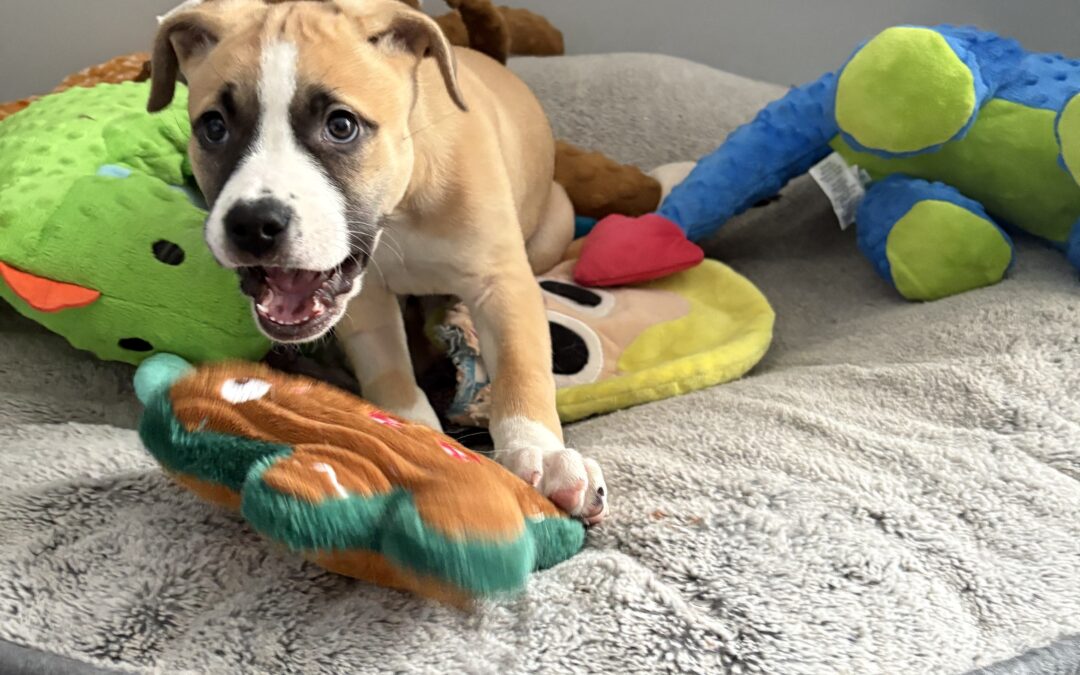
Teaching Your Dog Impulse Control
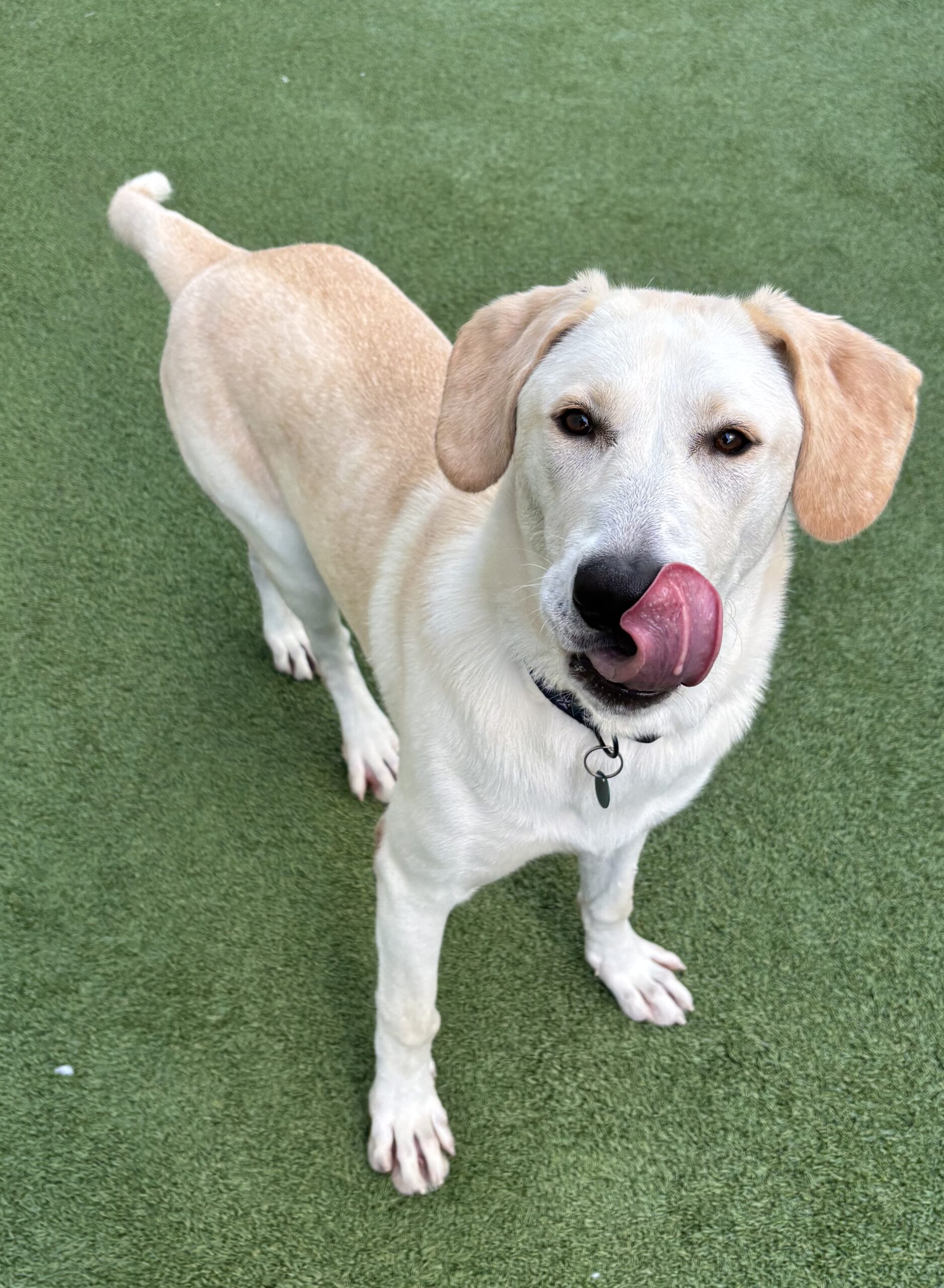
Impulse control, also known as emotional self-control, is a dog’s ability to resist the temptation to perform an undesirable behaviour. It is something that does not come naturally to dogs but is an important skill that they need to learn in order to co-exist with humans!
Like children, dogs can get carried away when they get excited. Also like children, dogs can make poor decisions when they are overly aroused. By teaching certain cues and having dogs practice patience in daily routines, we can help them learn to be calm and make good decisions.
Below we will explore two exercises that help dogs with self control: Greeting People & Waiting at Doors.
Greeting People with Poise
This exercise teaches your dog to be polite when meeting and greeting people.
- Ask your dog for a “sit” right beside you. Mark the desired behaviour and deliver a reward as people approach.
- If your dog breaks the sit position or tries to jump up to the person, coach the person to turn their back and not engage. This makes sure they are not inadvertently rewarding the behaviour.
- Get your dog to sit again and focus on you instead of the person. You can use your dog’s name or play Touch/Target to keep them engaged.
- Instruct the person to come closer, as long as your pup is sitting and calm.
- Anytime your pooch breaks position, have the person turn and take a step away from the dog.
- At your discretion, release your dog to go say hi when the person is close enough and the dog is calm and sitting.
Wait at Doors
- Have your pup sit at the door. Reach for the handle, turn it and crack the door open.
- If your dog gets up at any point, close the door and ask for a “sit” again. You’ll be teaching that the door will only open for calm behaviour.
- Introduce a Release Cue. This will let your dog know that they are free to break the sit. A very common release cue is “all done” or “break”, but you can use whatever you prefer, as long as you use the same cue every time.
- If your pooch remains in a “sit” when you crack the door, say “yes” to mark the wanted behaviour, then use your release cue to let them know they can break the sit and continue through the door.
We call this a Real Life Reward. In this instance, we don’t need to give the dog a food reward because going through the door (to the backyard or out for a stroll) is rewarding.
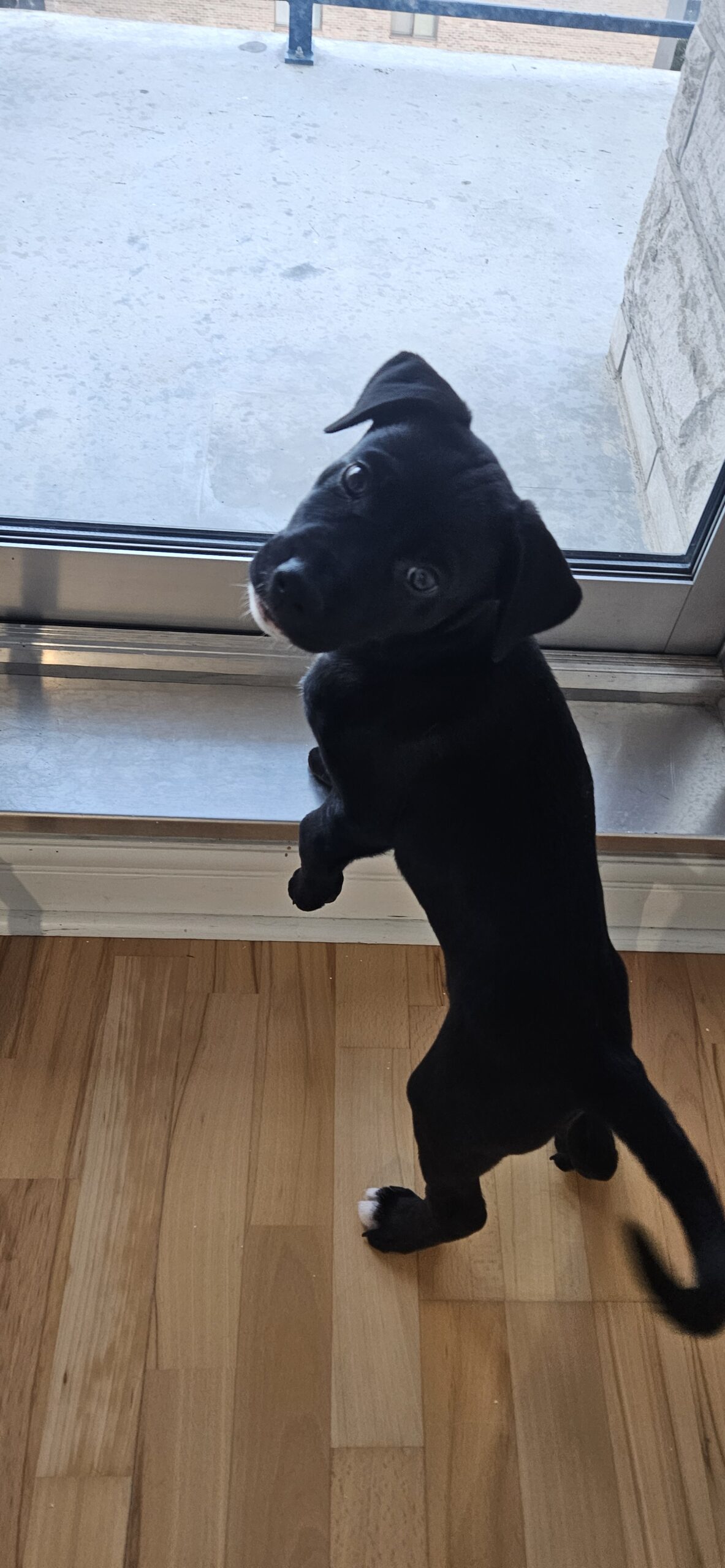
Work in small increments. Once your dog can hold the sit position when you crack the door, start opening the door a bit wider before giving your release cue. By opening the door little by little, you’ll eventually have the door all the way open and your pup will wait for your cue to go through. This is an excellent exercise to help your dog learn impulse control!

Patrick Chu, CPDT-KA
Behaviour Coordinator
Got ideas for our next blog? Email us at [email protected]!