Trap-Neuter-Release: An Effective and Humane Approach to Free-Roaming Cat Populations
Written by Teal Knox, Intake and Community Programs Coordinator
At AARCS, we coordinate Trap-Neuter-Release (TNR) efforts in communities across the province. TNR is an effective and humane method of reducing free roaming cat populations – but what makes it the right approach? Let’s break it down!
How Does TNR Work?
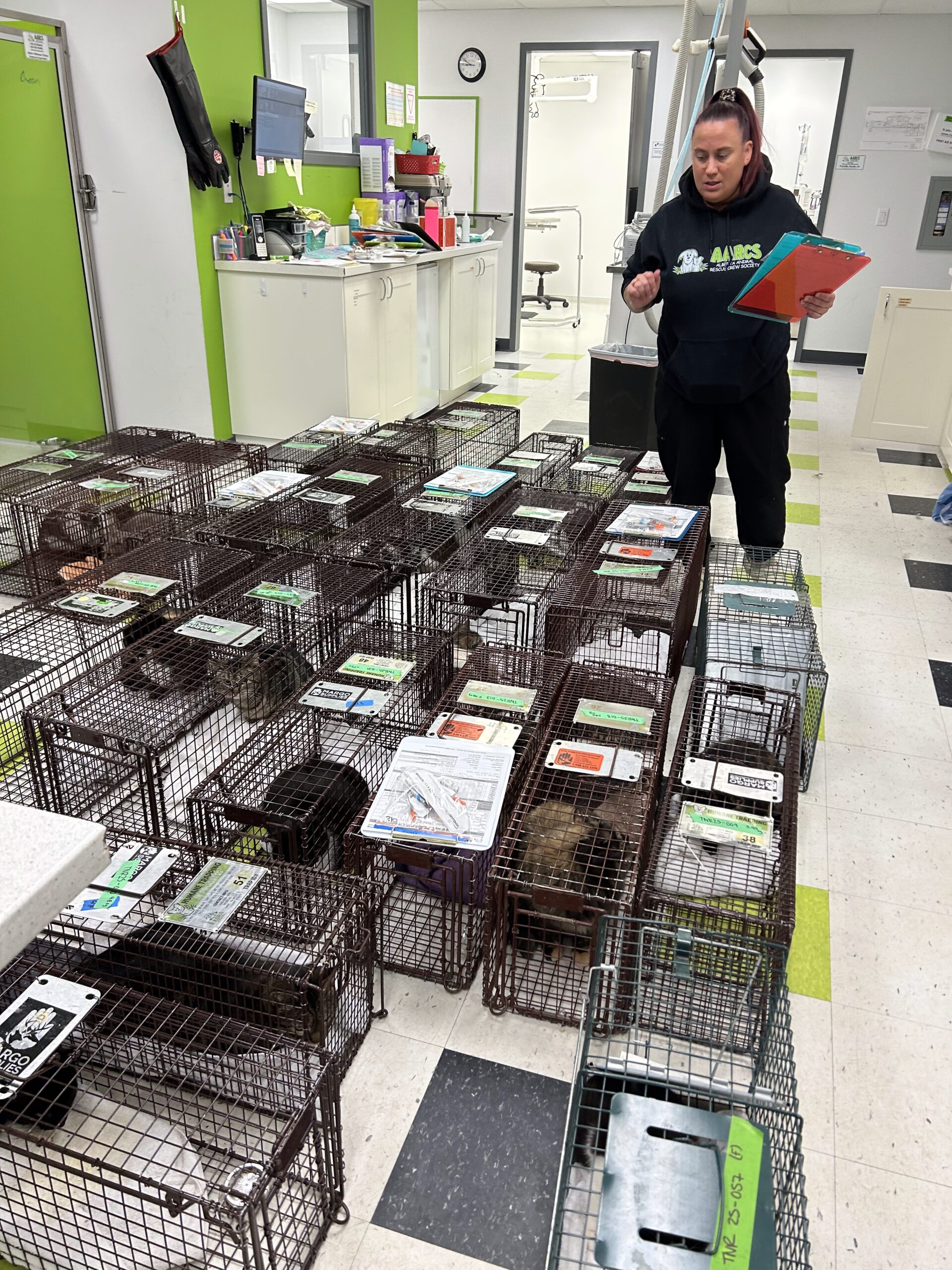
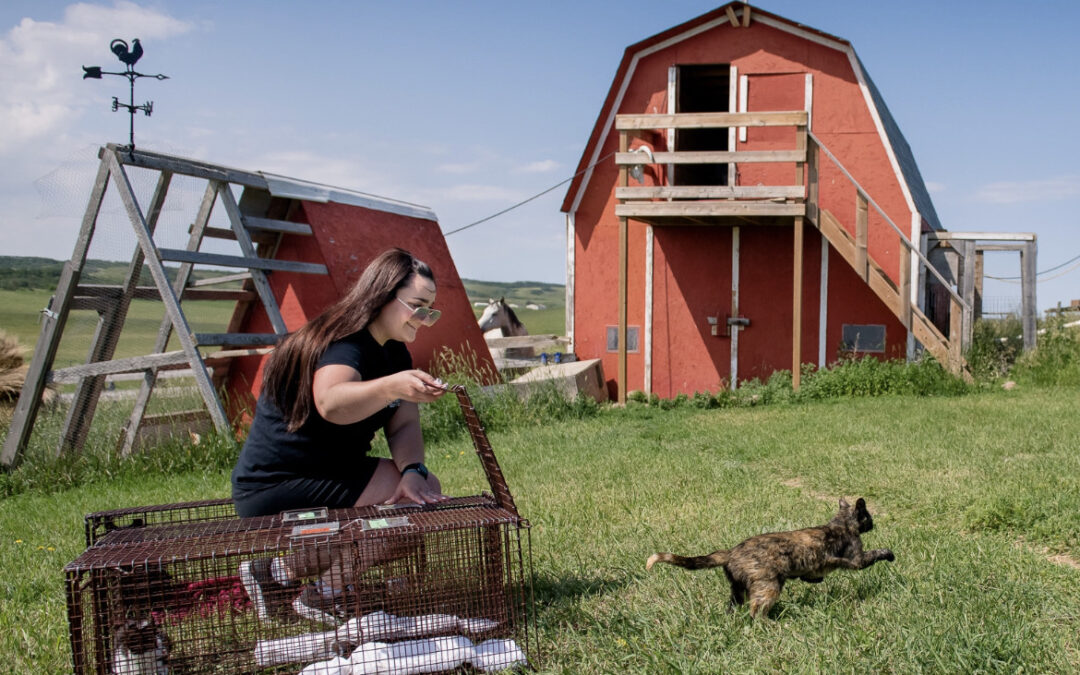
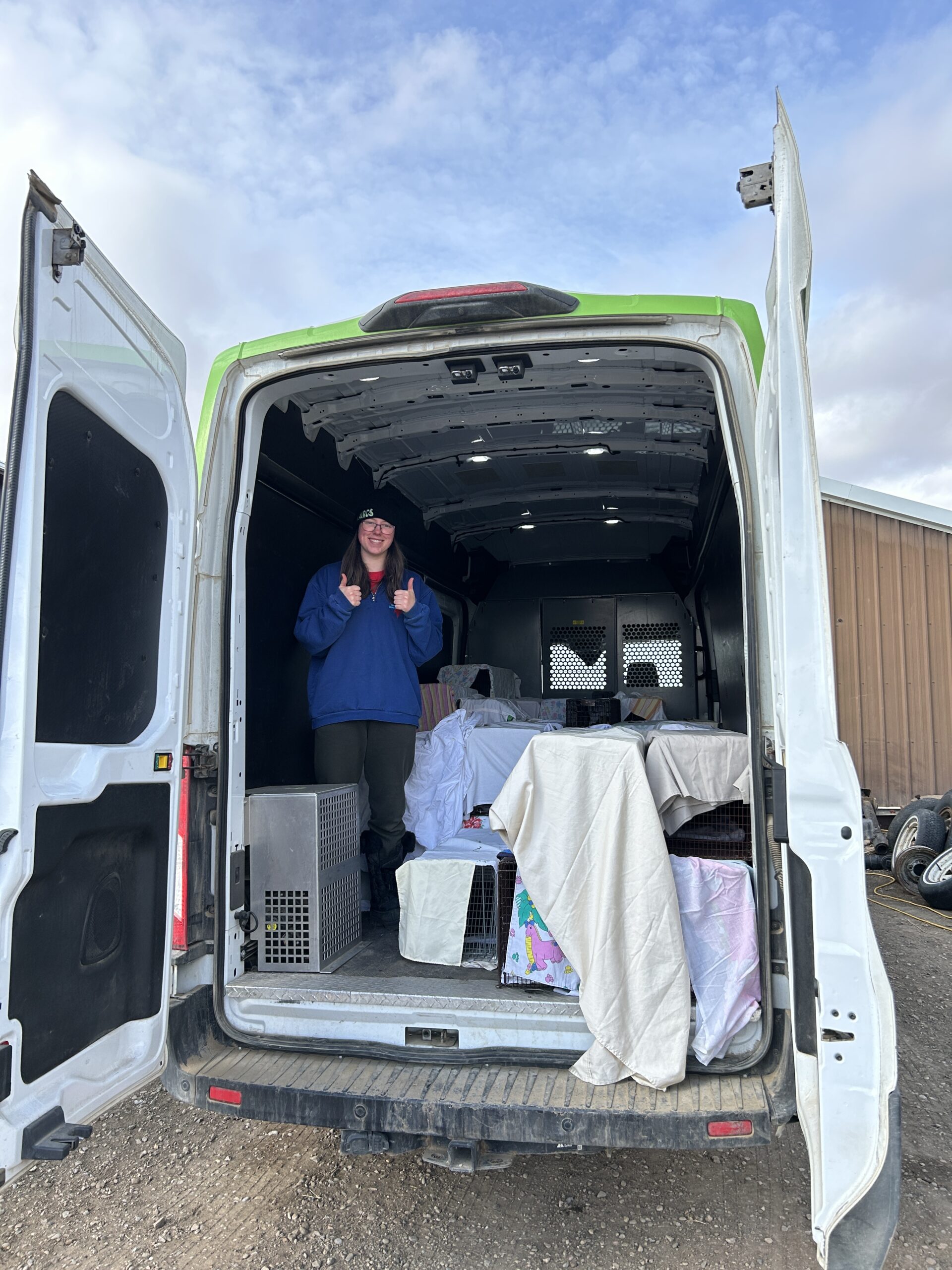
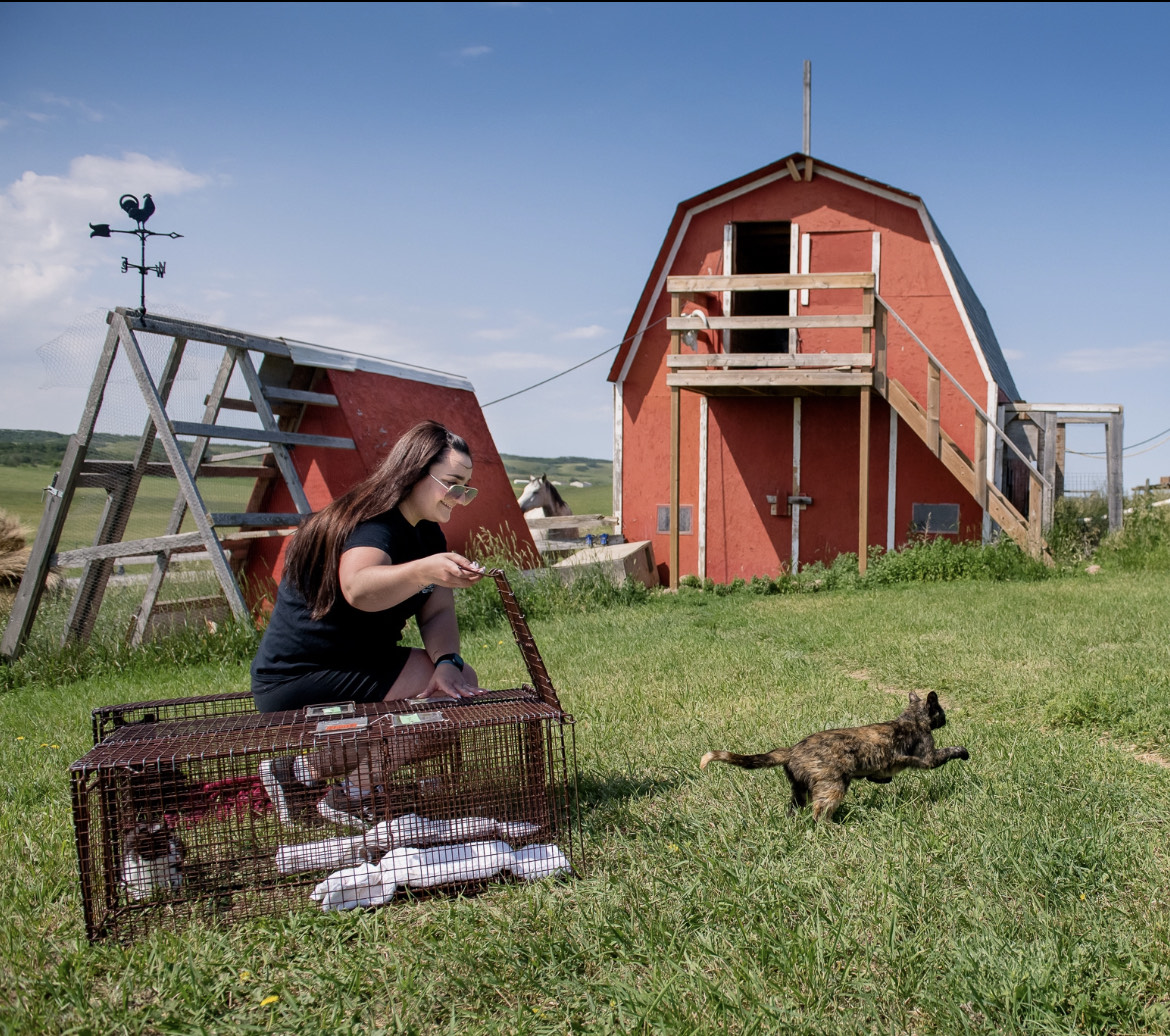
The TNR process involves humanely trapping the cats in a colony, having them examined by a vet, spayed/neutered, vaccinated, provided with antiparasitic treatment, ear tip and tattoo. Then, they are released back into their territory. Whenever possible, young kittens and friendly cats that can easily be domesticated are relinquished into our care and placed for adoption. A designated caretaker provides regular food, water and shelter to the returned colony of cats.
What Are the Benefits of TNR?
This program offers a number of benefits – to the cats, the property owner and the community.
- A gradually falling population. If all cats are spayed/neutered, there will not be any new litters of kittens to increase the number of cats. Because all spayed and neutered cats have had their ears notched, it is easy to tell when a new, unaltered cat joins the colony. This makes it significantly easier to promptly trap and sterilize the new cats, ensuring the colony gradually decreases over time.
- Noise reduction. Unmanaged colonies can be LOUD, most of the noise stemming from mating activities. Yowling and fighting amongst cats is drastically reduced once the cats are spayed and neutered and no longer competing.
- Reduced odors. Have you ever smelled tom cat pee? It’s something funky. Unaltered males mark their territory by spraying urine tinged with testosterone, causing a very unpleasant smell. Altering the males reduces the testosterone and pungent smell associated with it. In addition, many altered males will spray less or stop altogether.
- Rodent control. Cats provide a natural form of rodent control. Their scent alone can deter rodents from settling in an area, and their natural hunting instincts further help reduce rodent population. This in turn means less rodent holes for livestock (and human) to step into and injure themselves. Ensuring the cats are returned means this can continue.
- A visibly healthier colony. Altering, vaccinating, feeding and sheltering greatly improve the health of the cats in the colony, meaning they are less prone to diseases and parasites (many of which can be zoonotic, or transferable to humans and other animals). The cats live longer, healthier lives, and any pets on the property are safer.
Why Not Just Remove the Whole Colony?
Removing most or all of a cat colony may seem like a solution, but it often creates space for a new, unaltered colony to form. When cats are taken out of an area and the environment remains unchanged, the territory becomes vulnerable to what is known as the “vacuum effect”.
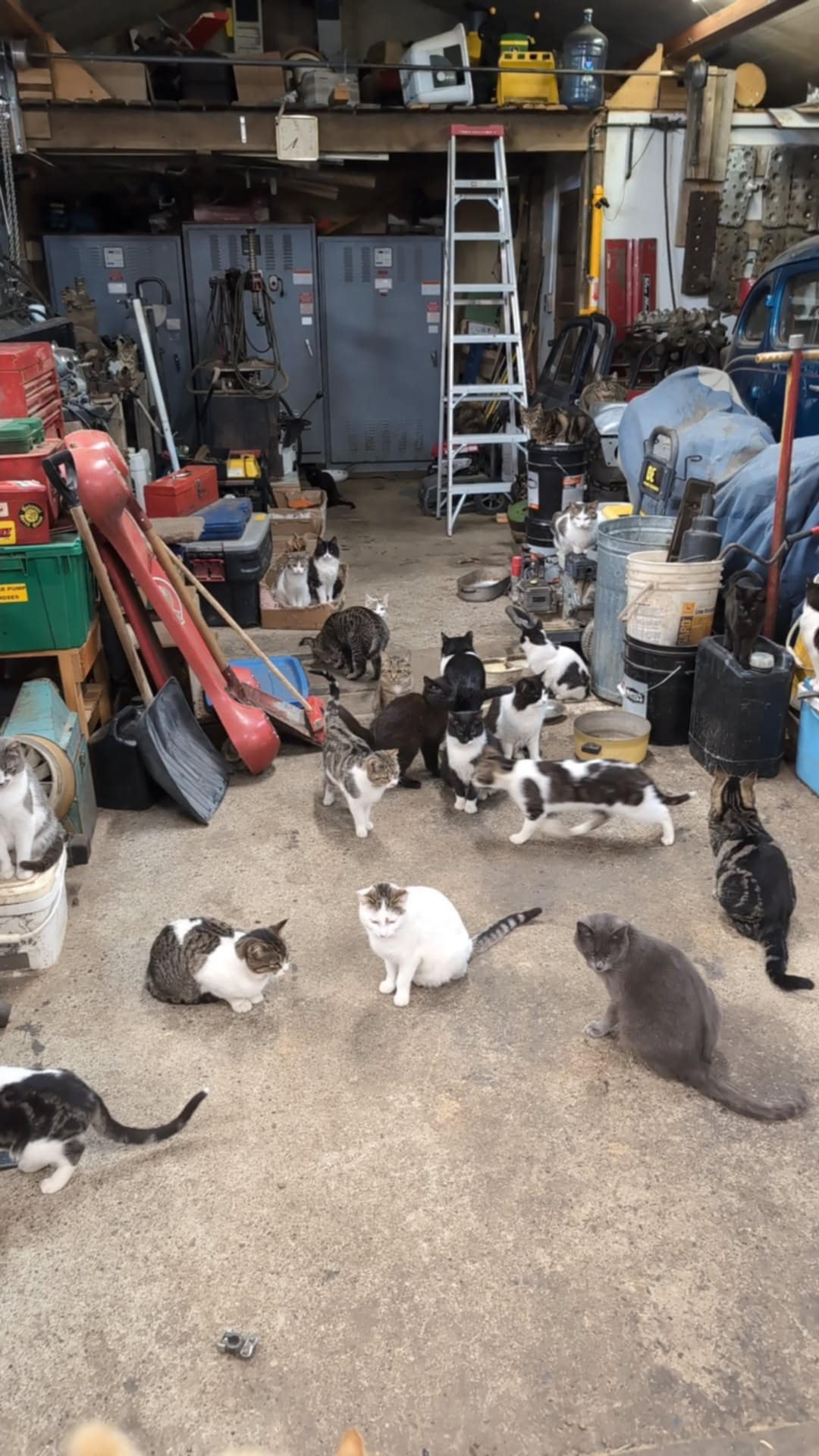
Cat colonies begin to establish in areas that provide reliable food and shelter. If a colony is removed but the resources are still available, other cats – whether abandoned recently or from nearby colonies – will move into the now-vacant territory to access them. Breeding then resumes, and the population quickly rebounds to the number the environment can naturally support.
What Doesn’t Work
With other methods of trap and removal efforts to handle cat colonies, there are typically only three potential outcomes:
- The cats are impounded at the shelter, followed by euthanasia.
- The cats are relocated.
- The cats are adopted.
However, these strategies often don’t solve the problems that are associated with free-roaming cats.
Trap and Impound
Trapping and impounding cats is not a successful method to solve a “feral cat problem” because litter-bearing mammals will breed to the capacity of the environment (see the “vacuum effect” above). If a cat is trapped and impounded, the food and resources it was consuming will become available to the remaining cats in the area and lead to new cats moving in. If the remaining unaltered cats have access to these newly available resources, their litter sizes will increase.
The trap and impound method has not only been proven to be ineffective at reducing the population of cats, it’s also inhumane and expensive to carry out. This method can also create a sense of distrust between the animal-loving community and the organization working to implement the population control methods.
Relocation
As with the trap and impound method, relocation leaves the area open to the vacuum effect and more cats moving in. It’s also an inhumane method: it is extremely stressful and potentially fatal to move cats to an area they are unfamiliar with and in which they do not know where to find food, water or shelter. Many will panic and run off, or run straight into the dangers of an unfamiliar territory, such as predators. To avoid this happening, a time- and resource-intensive acclimation process is necessary when attempting to relocate community cats.
Adoption
For cats who are deemed feral due to observed behaviours, adoption is not an option. Truly feral cats cannot be socialized and experience extreme stress when confined indoors, which increases their risk of stress-induced illnesses. It is hard for well-meaning humans to accept – surely an indoor life must be more comfortable for a cat? While kind-hearted, that viewpoint fails to take into consideration cat socialization.
The primary socialization period for cats is between two-to-eight weeks of age. If a cat does not have positive exposure to humans during this critical period, socialization later in life can be significantly more challenging. Kittens under eight weeks of age can be socialized and adopted into homes, but with the limited resources of most shelters, this decision should only be made when it is truly needed. Ultimately, it is often best to keep young kittens with their mother during this critical time. The shelter environment can pose high risks to young kittens, who are especially vulnerable to contracting serious, sometimes life-threatening illnesses.
When trapping a feral mother who is actively nursing, a safe option can be to place her in a foster home where she can stay in a quiet, low-traffic room to safely care for her babies. There is always a risk that a feral mom may become stressed in a home environment and may even struggle to nurse; however, most mothers do very well when given space, minimal handling and a calm setting. Once kittens are fully weaned, they can enter adoption programs, and mom’s comfort level with people can be assessed. If she has become friendly and social during her whelping period, she may be considered for adoption; otherwise, she can be returned to her original location.
Choosing to Return Friendly, Free-Roaming Cats
One of the key benefits of returning cats to their original territory is that it helps prevent new, unaltered cats from moving in. Established colonies naturally protect their space and resources. When food and shelter are limited to what adequately supports the existing group, the resident cats are more likely to deter newcomers, helping to stabilize the colony and prevent future population growth.
Allowing friendly community cats to be returned to their original location can be a complex and sometimes sensitive topic. Some community cats may only be social with one or two specific caregivers, although many are confident and comfortable with a variety of people.
Understanding socialization is key. Cats who appear friendly outdoors are often that way because someone has already invested time in building trust with them. In many cases, these cats do not need to be “rescued” and placed into an adoption program – they already have a home-base outdoors and dedicated caregivers who provide food, shelter and monitoring.
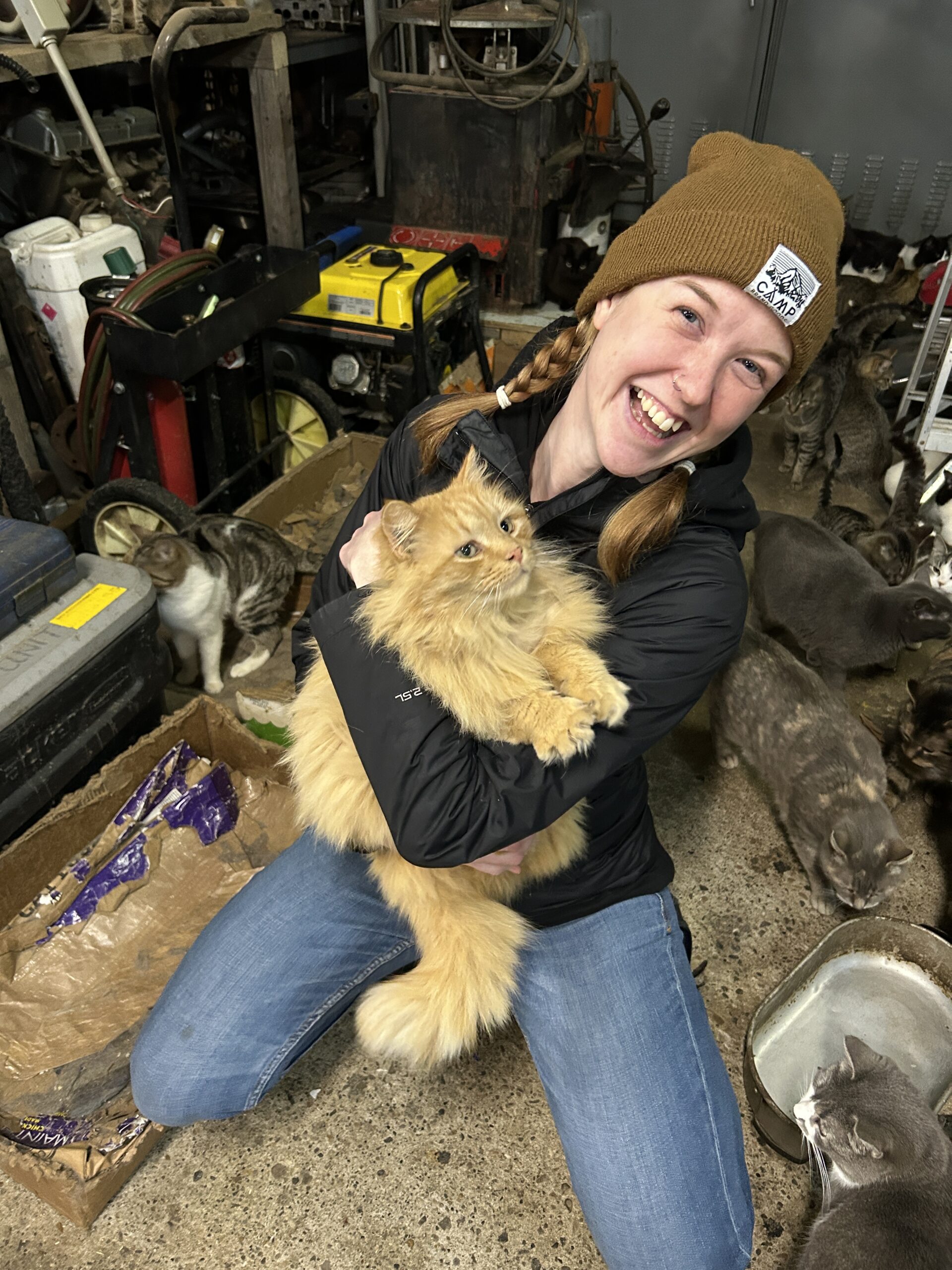
Friendly cats also often serve as the “glue” of a colony. Caregivers tend to feel more connected and committed to supporting the entire colony, including the shy and feral cats, when they have strong bonds with one or more social cats. Removing all friendly cats can sometimes weaken that support system.
We recommend that all eligible cats be considered for a Trap-Neuter-Release program, regardless of temperament. That said, each situation needs to be assessed on a case-by-case basis. If a friendly or feral cat is not thriving outdoors, is being bullied, is medically vulnerable or for another reason would benefit from an indoor placement, adoption may be the best option for that individual cat once they are healthy and fully vetted.
Choosing TNR
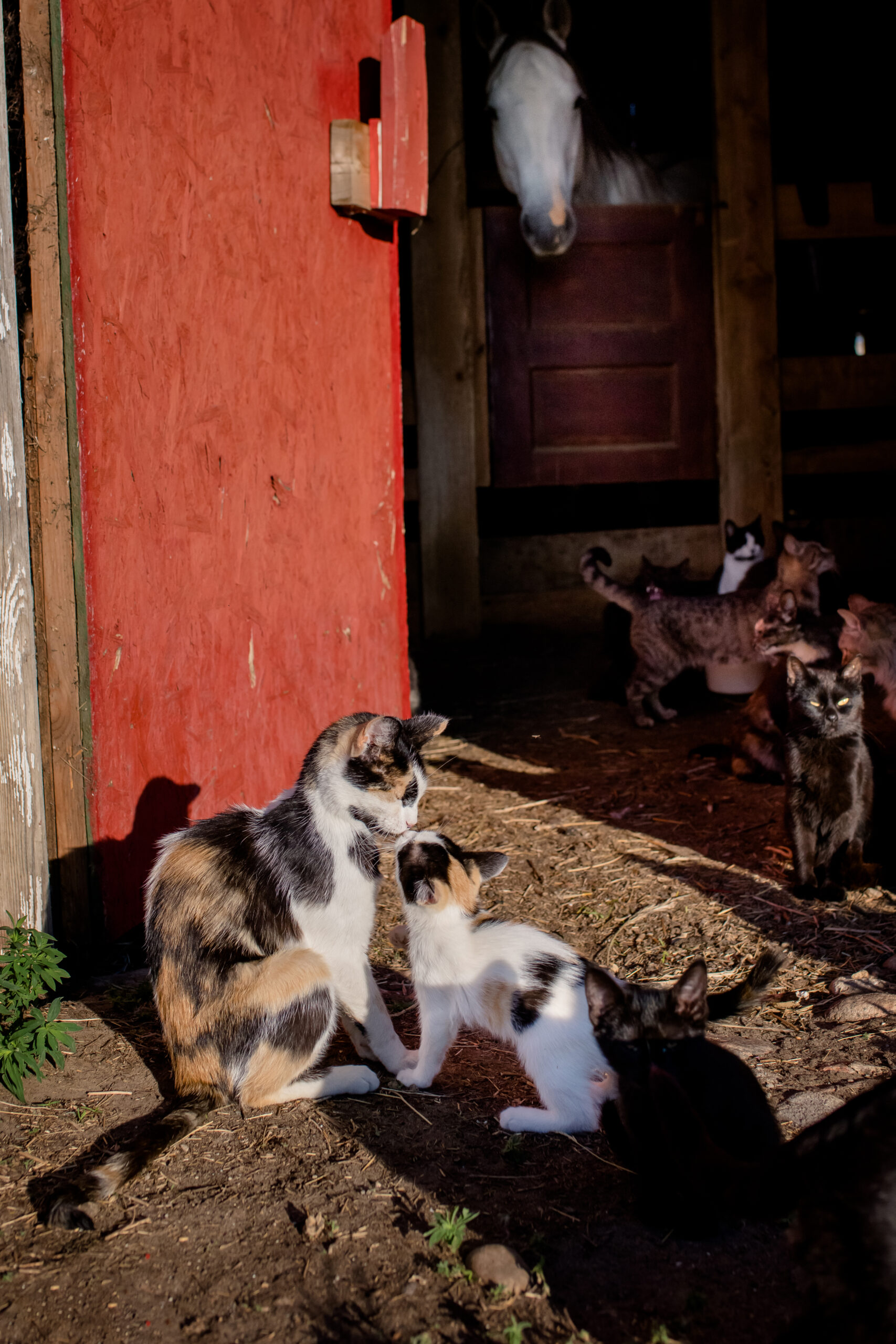
The Canadian Veterinary Medical Association estimates that there are between 5.4 to 9.6 million free-roaming cats in Canada, with between 1.5 to 4.1 million of those being feral or unowned. Cat colonies can range in size from a few to dozens of cats, and there may be several colonies on one property.
Left unchecked, these populations will grow exponentially. Did you know that a cat can get pregnant as young as four months old? One pair of unaltered cats and their kittens can lead to hundreds of thousands of cats in just a few years, making cat colonies extremely difficult to manage.
In our many years of experience at AARCS, Trap-Neuter-Return is the most humane and most effective method for reducing populations of free-roaming cats over time. Our TNR efforts focus on targeting isolated colonies and monitoring the population so we can ensure all cats are spayed or neutered – even those that join the colony later on. When appropriate, we may place friendly cats and young kittens in our adoptions program.
If you live in rural Alberta and have a colony of six or more cats that you need assistance with, please click here to learn more and apply for our program.