
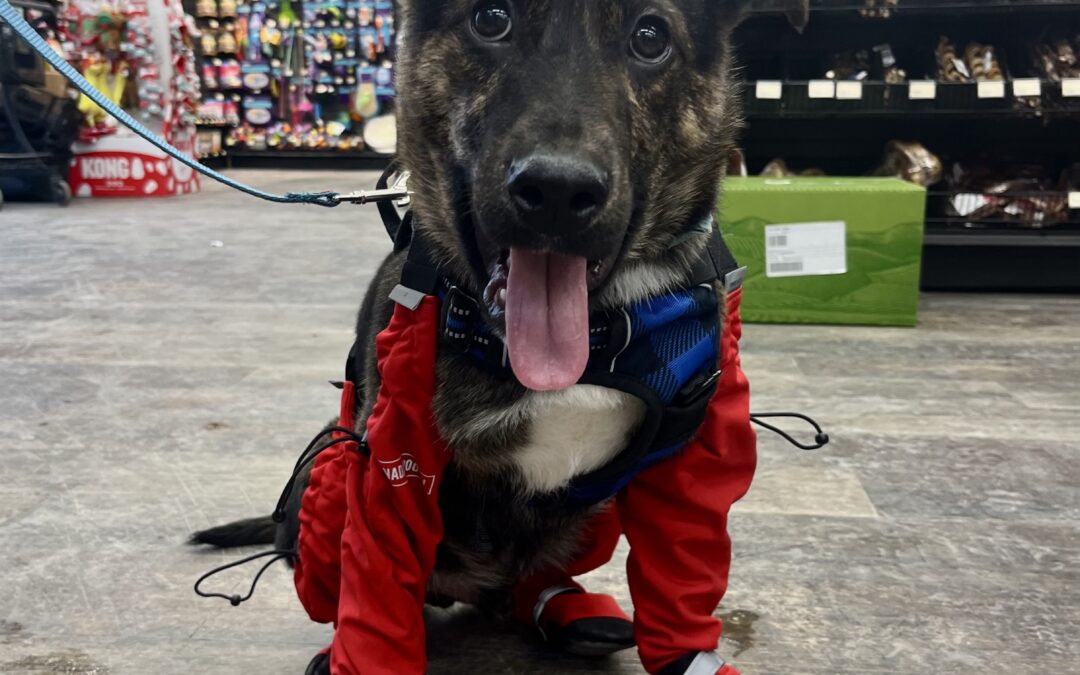
Dogs and Cold Weather
When winter comes, dog walks can feel challenging. Not only do you have to traverse icy and snowy paths, but the cold temperatures are also not ideal for many dogs!
Every dog’s tolerance for the cold will be a little different. Some dogs, such as Huskies, St. Bernards, Great Pyrenees and Malamutes have been bred over generations to have thick fur and insulating undercoats that can withstand cold temperatures. However, most dogs appreciate a bit of help when the deep freeze hits. Just like we bundle ourselves up, sometimes our dogs need some extra layers – specifically, boots and coats (‘n’ boots ‘n’ coats ‘n’ boots ‘n’ coats ‘n’ boots ‘n’ coats… there, now you know how to beatbox.)
Selecting the Right Boots
If you’re doing a lot of hiking in deeper snow, the full leg sleeves that attach over the dogs’ back might be ideal for you. They stay on well and keep the legs protected. Alternately, there are boots that go part way up the leg, and others that mostly just cover the paw. These are great options for your average neighbourhood walk!
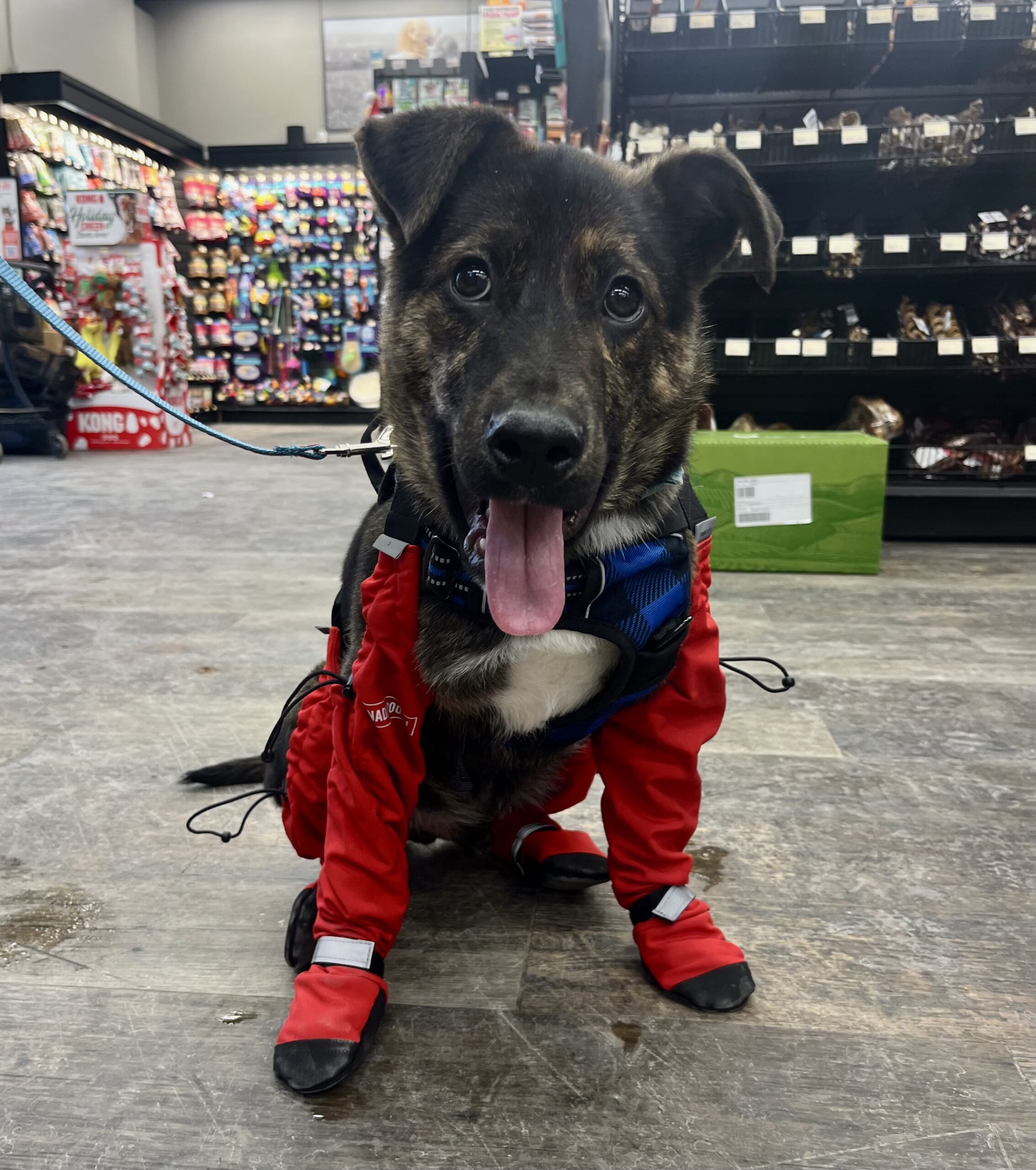
Materials on boots can vary, with many having fleece linings and/or treads like running shoes. Make sure to select seasonally-appropriate boots. Thin sock styles might not cut it for short-haired pooches (they certainly wouldn’t cut it for me!) Velcro is typically the most popular fastener material, but some use drawstrings or elastics.
Whenever you’re deciding on boots, the best option is to be able to try them on your dog in-person. If you can, find a local store with a good variety, and bring your pooch (and lots of treats) for a shoe shopping adventure! If you’re stuck with online options only, make sure to read the reviews and measure your dog’s feet – both front and back! Some styles of boots are only sold in pairs, as the front and back feet can be different sizes. To measure your dog’s feet, have them stand on a piece of paper and trace around their paw. Then you can measure the diameter of the tracing both horizontally and vertically.
Shopping for Coats
While many dogs with thick undercoats won’t need a coat in mild-to-moderate cold weather, for short-haired dogs, it’s a must!
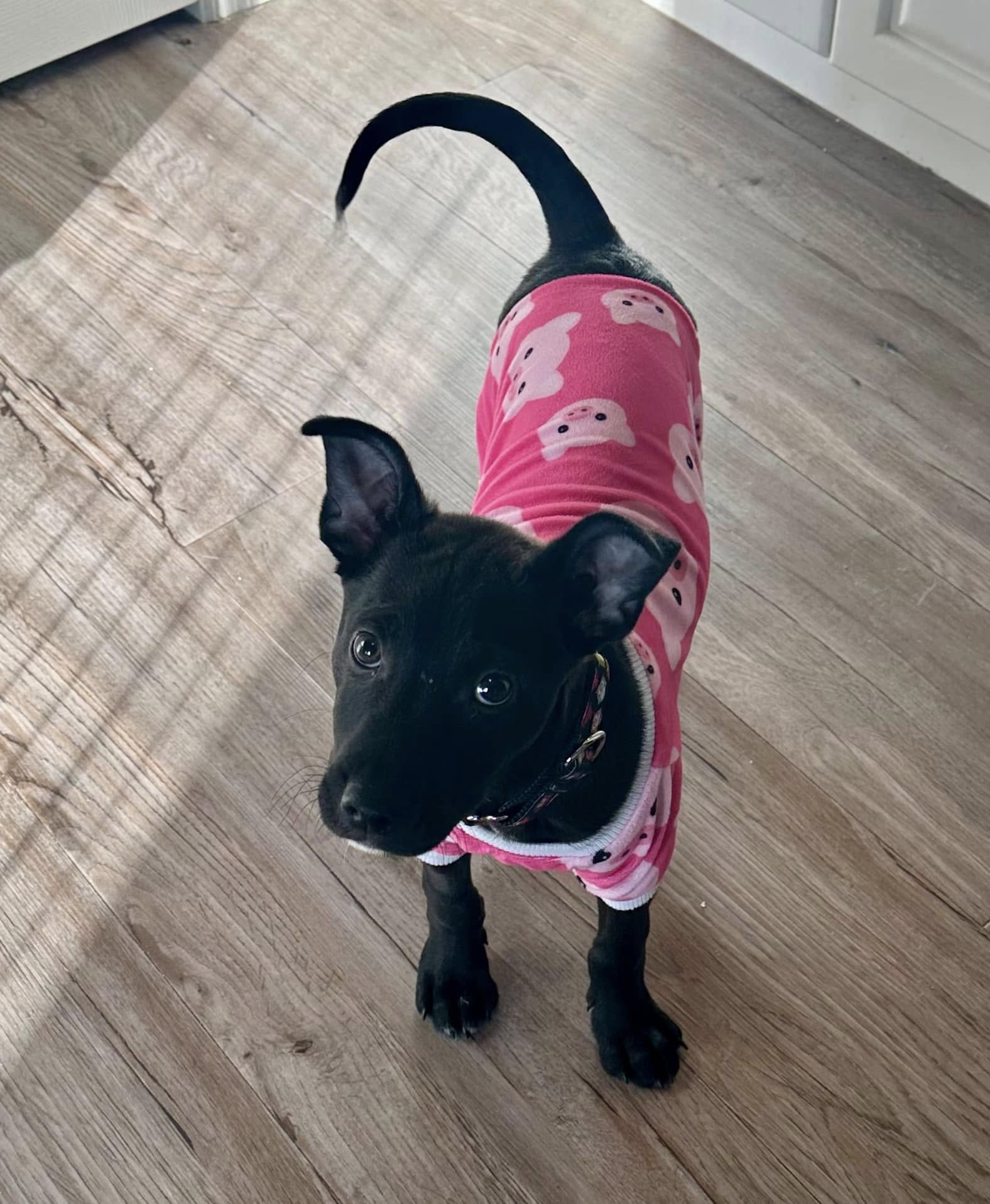
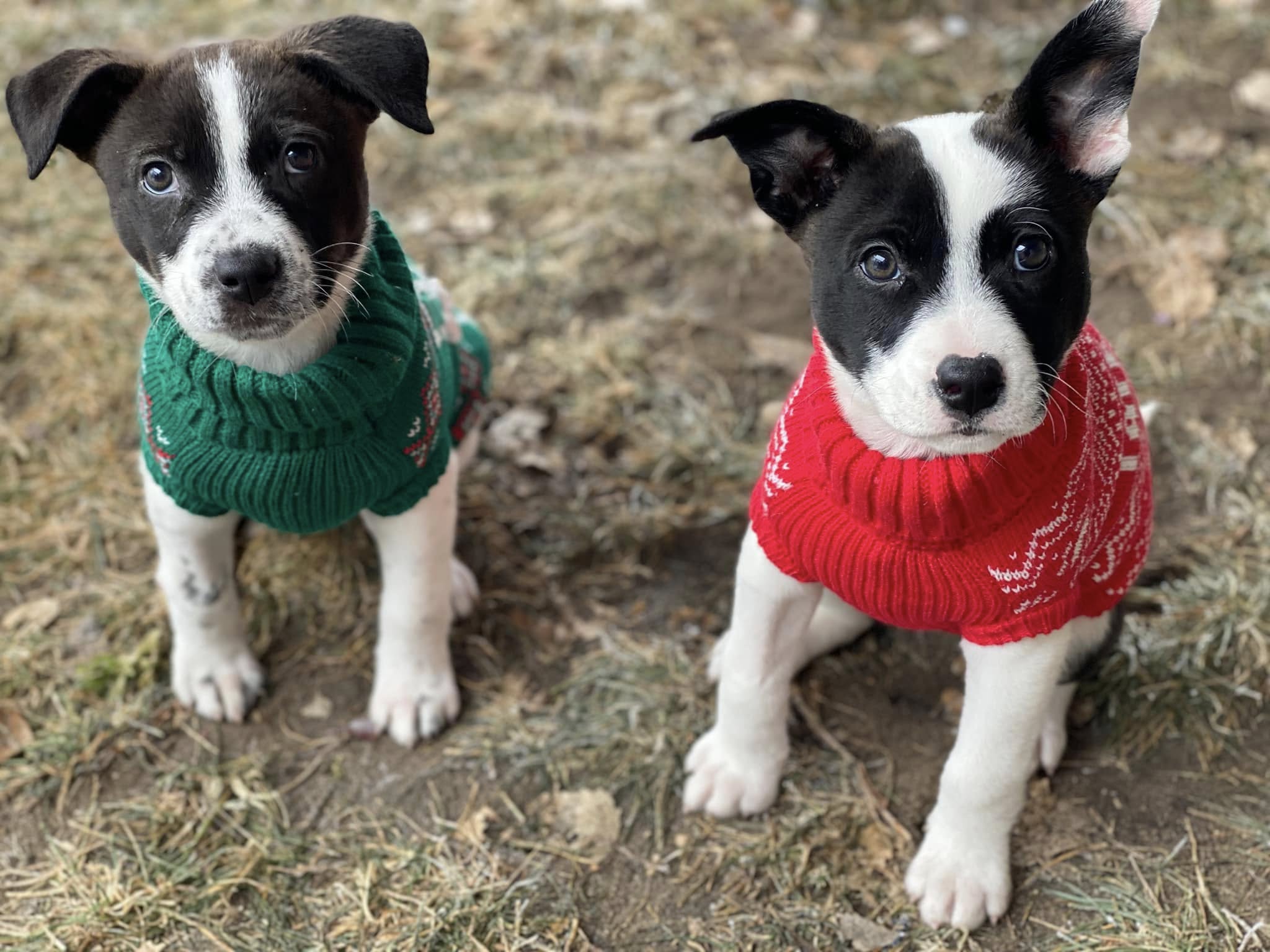
Dog jackets come in lots of different styles, ranging from light sweaters to puffy parkas. Choosing the right coat for your dog can be challenging due to the number of choices. It’s important to know what functions you want – warmth, windproof, waterproof, leg coverage, neck coverage…
It’s also important to think about how the coat goes on. Many dogs are uncomfortable being wrestled into clothing, so make sure it’s easy to take on and off. Some dogs are fearful of the sound of velcro, so these dogs might do better with coats that are fastened with snaps, ties or buckles.
Size guides are going to be your friend when purchasing a coat for your dog. It’s helpful to know at least two basic measurements for them: the circumference of their chest and the length of their back, from about where their collar sits to the base of their tail. Some size charts may have additional measurements, but these two will be the most important. When in doubt, size up! A too-small coat can be very uncomfortable and make wearing the coat unpleasant for your dog.
Getting Comfortable with Clothing
No matter which boots or coat you decide on, it’s important to get your dog comfortable with having these accessories put on and wearing them for walks. Pairing the booting-up and coat process with treats will help create a positive association. As with all training and desensitizing, take it slow and work at your dog’s pace. It can be helpful to start your clothing training in the summer before you need them so that you don’t have to push your dog into wearing something they aren’t ready for when a cold front hits. With time and practice, your dog will learn that boots and a coat mean treats and a walk!
When It’s Too Cold, Even With Clothing
Some days, the weather is just going to be too extreme for your dog (or maybe for you. We don’t judge.) If you can’t get your dog out due to the frigid weather, be sure to give them extra enrichment activities! You may also want to look into indoor dog parks and pet-friendly stores in your area to make sure your dog is still getting both the physical and mental stimulation they need. Check out this blog post for some enrichment activity ideas to keep your dog busy!
Jen Coghlan, CPDT-KA, CBCC-KA
Behaviour Coordinator
Got ideas for our next blog? Email us at [email protected]!